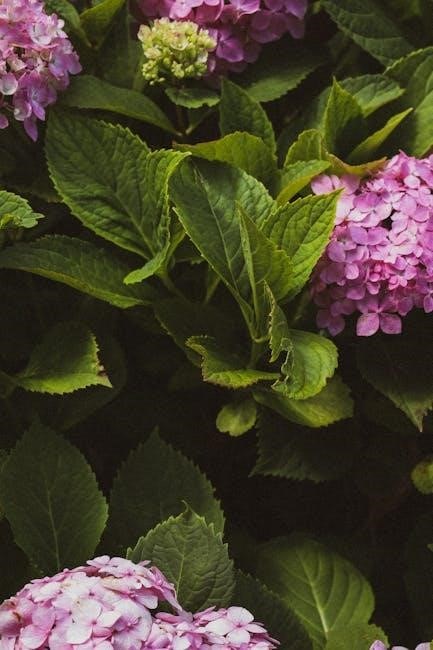
Flower Color Guide: An Overview
Delve into the captivating world of floral hues! This guide explores the rich symbolism behind flower colors‚ tracing their historical roots and cultural significance.
Flowers have always communicated beyond their beauty‚ carrying hidden meanings rooted in mythology‚ literature‚ and historical events. This tradition of assigning symbolism to flowers dates back to ancient civilizations‚ particularly in China‚ and flourished throughout the Medieval period‚ where gifting blooms conveyed messages unspoken.
The Victorian era heavily codified “floriography‚” a language of flowers‚ allowing nuanced communication through carefully chosen bouquets. Understanding these color-based meanings enhances appreciation and allows for intentional expression when gifting or arranging flowers‚ transforming a simple gesture into a deeply personal statement.
Historical Context of Flower Meanings
The practice of attributing meaning to flowers stretches back millennia‚ with early civilizations like the Chinese and ancient Greeks associating blooms with deities and emotions. During the Medieval period‚ flowers were frequently used to convey messages‚ especially romantic ones‚ where direct expression was often discouraged.
However‚ the Victorian era (mid-1800s) truly cemented floriography – the language of flowers – into popular culture. Detailed dictionaries emerged‚ assigning specific meanings to each flower and color‚ enabling complex communication through bouquets. This practice reflects a societal emphasis on refinement and coded expression.
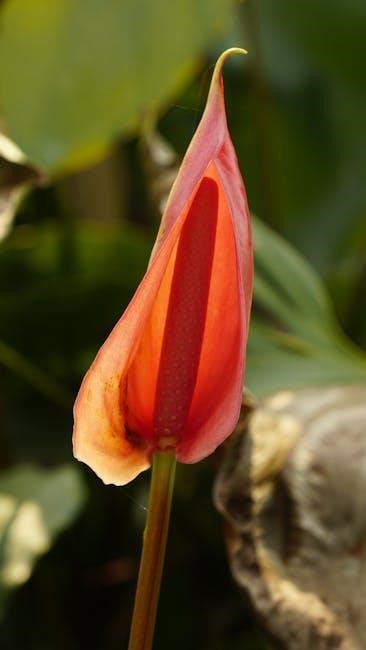
Decoding the Colors: A Comprehensive Guide
Explore the nuanced symbolism of each hue! From passionate reds to joyful yellows‚ discover how flower colors convey distinct emotions and messages.
Red Flowers: Passion and Love
Red flowers universally symbolize deep emotions‚ most notably passionate love and romantic desire. This vibrant color evokes strong feelings of attraction‚ respect‚ and courage. Historically‚ red has been associated with the heart and vital life force‚ making it a fitting emblem for intense affection.
However‚ the meaning isn’t solely limited to romance; red also represents admiration and respect. Sending red flowers can express gratitude or acknowledge someone’s strength. The intensity of the red shade can further refine the message‚ with brighter tones conveying excitement and deeper shades signifying enduring love.
Variations in Red Flower Meanings
The specific shade of red significantly impacts the conveyed message. Crimson and burgundy reds often represent a more mature‚ deep‚ and lasting love‚ suitable for long-term commitments. Brighter scarlet reds‚ conversely‚ express passionate desire and excitement‚ ideal for new romances or declarations of intense attraction.
Darker reds can also symbolize courage and resilience‚ making them appropriate for acknowledging someone’s strength during challenging times. Even the flower type paired with red influences meaning; red roses are classic romance‚ while red carnations can signify admiration.
Yellow Flowers: Joy and Friendship
Yellow flowers universally embody happiness‚ optimism‚ and cheerful energy. They are the quintessential gift to brighten someone’s day and express platonic affection. Often associated with friendship‚ yellow blooms symbolize caring and goodwill‚ making them perfect for thanking a friend or celebrating a bond.
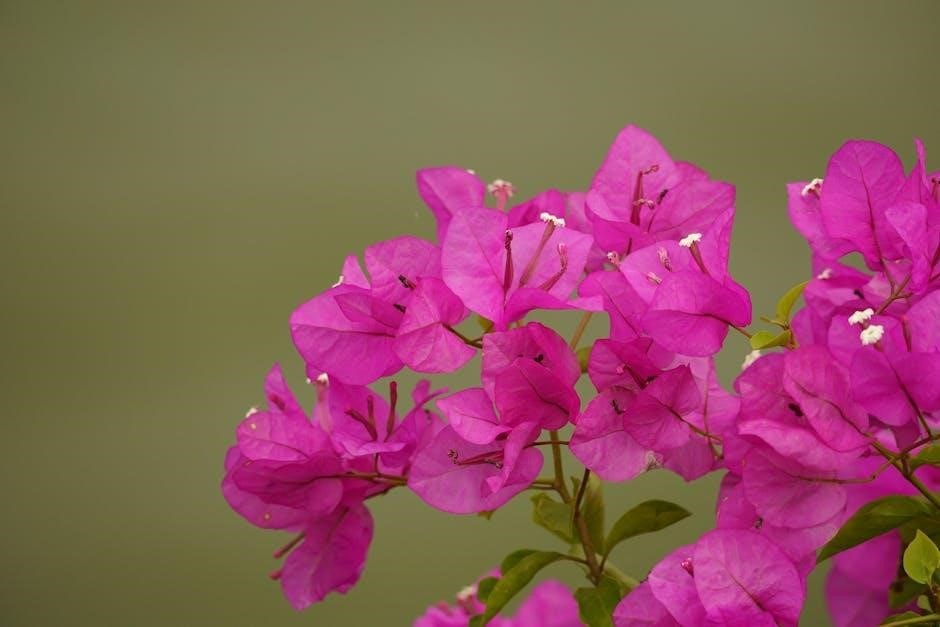
However‚ historically‚ yellow had some negative connotations – representing jealousy or deceit – though these meanings are largely outdated. Today‚ yellow overwhelmingly signifies positivity and warmth‚ radiating sunshine and good vibes.
The Nuances of Yellow Shades
The specific shade of yellow significantly impacts its conveyed message. Pale yellows often represent new beginnings‚ hope‚ and gentle affection‚ ideal for expressing sympathy or offering encouragement. Brighter‚ golden yellows amplify the feelings of joy and exuberance‚ perfect for celebrating achievements.
Deeper‚ almost orange-toned yellows can symbolize enthusiasm and energy‚ while muted yellows might suggest thoughtfulness. Considering these subtle differences allows for a more precise and meaningful floral communication‚ enhancing the bouquet’s overall impact.
White Flowers: Purity and Innocence
White flowers universally symbolize purity‚ innocence‚ and new beginnings. They often represent reverence and humility‚ making them a traditional choice for weddings and religious ceremonies. Beyond these core meanings‚ white can also signify sympathy and remembrance‚ offering solace during times of grief.
The clean‚ elegant aesthetic of white flowers lends itself to versatile arrangements‚ complementing any style. Their simplicity and grace convey a sense of peace and tranquility‚ making them a timeless expression of heartfelt emotion.
White Flowers in Different Cultures
Across cultures‚ white flowers carry nuanced meanings. In Western traditions‚ they strongly represent marriage and purity‚ frequently featured in bridal bouquets. However‚ in some Eastern cultures‚ white symbolizes mourning and is often used at funerals‚ expressing respect for the departed.
In China‚ white chrysanthemums are specifically associated with grief and are offered as tributes to ancestors. Conversely‚ in many Latin American countries‚ white flowers can signify hope and spiritual connection. Understanding these cultural variations is crucial when gifting or arranging white blooms.
Purple Flowers: Royalty and Admiration
Historically‚ purple has been linked to royalty and nobility due to the rarity and expense of purple dyes. This association continues today‚ with purple flowers often symbolizing power‚ ambition‚ and luxury. Beyond royalty‚ purple also conveys admiration and respect‚ making it a thoughtful gift for someone you deeply appreciate.
The shade of purple influences the message; lighter lavenders suggest grace and elegance‚ while deeper purples evoke a sense of dignity and mystery. Presenting purple blooms communicates a feeling of reverence and esteem.
Lavender vs. Deep Purple Symbolism
While both fall under the purple umbrella‚ lavender and deep purple carry distinct meanings. Lavender‚ a delicate pastel‚ embodies grace‚ elegance‚ and a sense of calm. It often symbolizes purity‚ devotion‚ and even enchantment‚ making it ideal for expressing sweet affection or admiration.
Conversely‚ deep purple signifies royalty‚ power‚ and ambition. It conveys a sense of dignity‚ mystery‚ and even spiritual awareness. Choosing between the two depends on the nuance you wish to convey – gentle fondness versus profound respect.
Orange Flowers: Enthusiasm and Energy
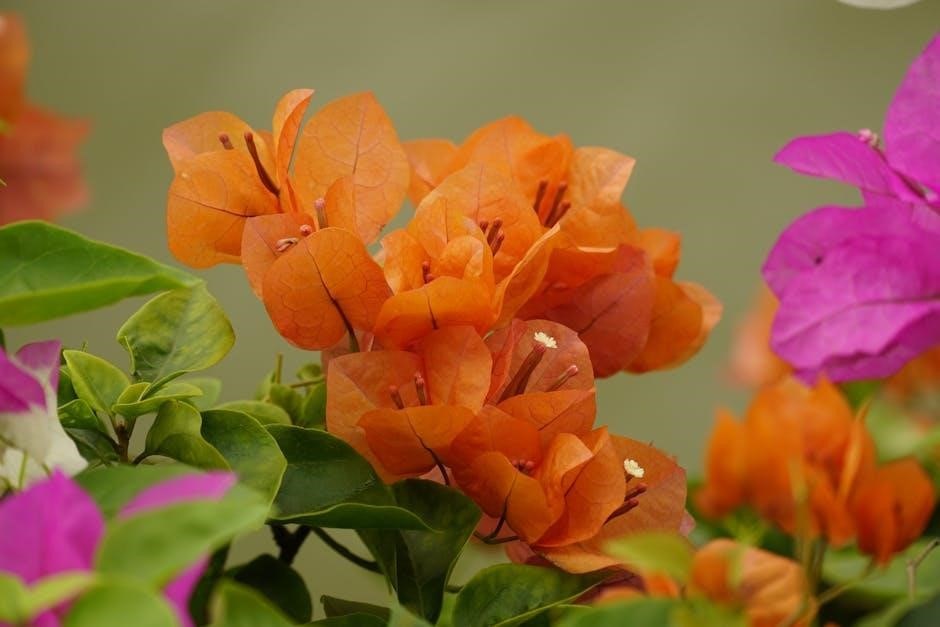
Orange flowers radiate warmth‚ joy‚ and a vibrant zest for life. This energetic hue embodies enthusiasm‚ optimism‚ and excitement‚ making them perfect for celebrating achievements or expressing playful affection. Orange symbolizes energy and happiness‚ often associated with creativity and determination.
Consider orange blooms when you want to convey a sense of fun and positivity. Different varieties‚ like marigolds and zinnias‚ offer unique textures and shapes‚ amplifying the cheerful message. They’re a fantastic choice for brightening someone’s day!
Orange Flower Varieties and Their Meanings
Marigolds‚ with their sunny disposition‚ symbolize warmth‚ creativity‚ and overcoming challenges‚ often representing a longing for wealth and prosperity. Zinnias‚ available in a spectrum of orange shades‚ embody lasting affection and remembrance‚ making them ideal for expressing heartfelt gratitude.
Lilies‚ when displaying orange tones‚ can signify passion and confidence. Gerbera daisies‚ known for their vibrant petals‚ represent cheerfulness and innocence. Each variety subtly alters the overall message‚ allowing for nuanced expression through floral arrangements.
Pink Flowers: Gratitude and Appreciation
Pink flowers universally convey gentle affection‚ gratitude‚ and appreciation – a softer expression than the passionate red. They represent admiration and kindness‚ making them perfect for showing someone you care. Carnations‚ in shades of pink‚ symbolize a mother’s undying love‚ while tulips express caring and good wishes;
The depth of pink influences the message; lighter shades suggest grace and innocence‚ while brighter tones convey thankfulness and joy. Pink blossoms are a versatile choice for expressing heartfelt emotions.
Different Shades of Pink and Their Significance
Pale pinks‚ like blush or baby pink‚ embody gentleness‚ innocence‚ and admiration – perfect for new beginnings or expressing delicate feelings. Hot pinks‚ vibrant and bold‚ radiate enthusiasm‚ gratitude‚ and playful affection‚ ideal for celebrating achievements. Deep pinks‚ leaning towards magenta‚ signify deep gratitude and appreciation‚ conveying a stronger emotional connection.
Rose pink often represents elegance and refinement‚ while coral pink blends warmth and excitement. Understanding these nuances allows for precise emotional expression through floral gifting.
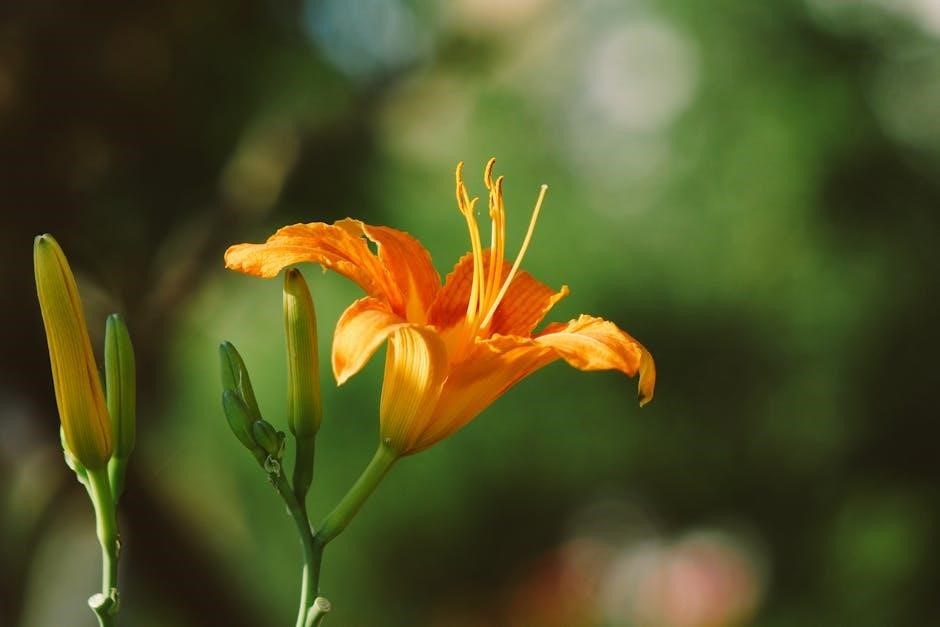
Beyond the Basics: Less Common Flower Colors
Venture into the realm of unusual floral shades! Discover the unique symbolism of blue‚ green‚ and black flowers‚ adding intrigue to arrangements.
Blue Flowers: Rarity and Trust
Blue blossoms are often associated with rarity‚ making them particularly special gifts. Historically‚ achieving true blue in flowers proved challenging‚ contributing to their mystique and perceived value. Beyond rarity‚ blue flowers universally symbolize trust‚ loyalty‚ and faith – qualities deeply cherished in relationships.
In floral arrangements‚ incorporating blue hues can evoke a sense of tranquility and peace. They represent a calming influence‚ offering a visual respite. The symbolism of blue extends to representing open communication and honesty‚ making them ideal for expressing sincere feelings. Consider delphiniums or hydrangeas for a touch of serene blue.
The Symbolism of Blue in Floral Arrangements
Utilizing blue flowers in arrangements transcends mere aesthetics; it’s about conveying specific emotions. Blue inherently suggests peace‚ serenity‚ and stability‚ making it perfect for sympathy bouquets or arrangements intended to offer comfort. They can also represent a desire for tranquility and a hopeful outlook.
When combined with other colors‚ blue’s symbolism shifts subtly. Paired with white‚ it emphasizes purity and trust‚ while alongside yellow‚ it creates a dynamic contrast representing hope and happiness. Blue flowers beautifully complement more vibrant palettes‚ adding depth and sophistication to any floral design.
Green Flowers: Renewal and Growth
Green flowers‚ though less common‚ powerfully symbolize renewal‚ growth‚ and harmony with nature. Representing life’s continuous cycle‚ they embody freshness and vitality‚ making them ideal gifts for housewarmings or celebrating new beginnings. Their association with the natural world evokes feelings of peace and tranquility.
Green also signifies prosperity and well-being‚ often linked to financial abundance and good fortune. Incorporating green blooms into arrangements creates a grounding effect‚ promoting balance and a sense of calm. They beautifully complement other colors‚ enhancing the overall natural aesthetic.
Green Flowers and Their Connection to Nature
The verdant hue of green flowers directly mirrors the lushness of the natural world‚ forging a strong symbolic link to the environment. Representing foliage and the essence of plant life‚ they embody growth‚ resilience‚ and the enduring power of nature’s cycles. This connection evokes feelings of serenity and harmony.
Green blooms often symbolize a return to one’s roots‚ a grounding force in a busy world. They remind us of the restorative power of spending time outdoors and appreciating the beauty surrounding us. Their subtle elegance adds a touch of natural sophistication to any arrangement.
Black Flowers: Mystery and Sophistication
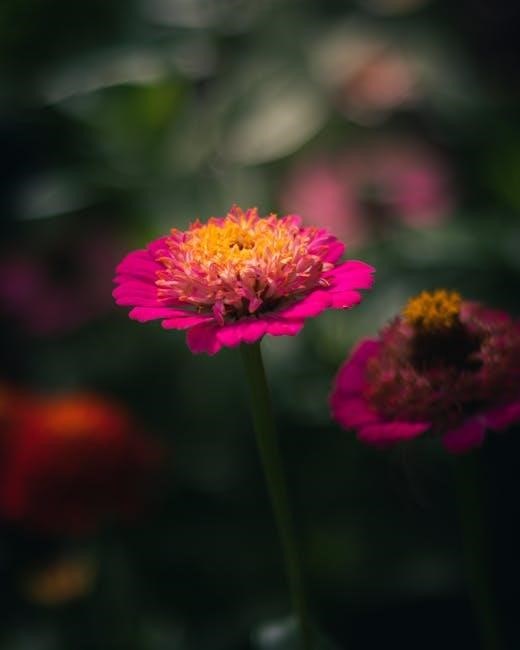
Though truly black flowers are rare in nature‚ the deep burgundy and dark purple shades often perceived as “black” carry a potent symbolism. They evoke a sense of mystery‚ intrigue‚ and the unconventional‚ moving beyond traditional floral expectations. These dramatic hues represent sophistication‚ elegance‚ and a touch of rebellion.
The use of dark floral tones in design suggests a bold and confident aesthetic. They can symbolize mourning or remembrance‚ but also represent new beginnings and the acceptance of the unknown. Dark flowers add depth and drama to arrangements‚ creating a striking visual impact.
The Use of Dark Hues in Floral Design
Incorporating dark flowers – deep reds‚ purples‚ and near-blacks – into arrangements creates a dramatic and sophisticated aesthetic. These shades aren’t merely about somber tones; they offer a striking contrast when paired with lighter colors‚ enhancing their vibrancy. Designers often utilize dark hues to ground a bouquet‚ providing a visual anchor for brighter blooms.
Dark flowers can evoke feelings of luxury and intrigue‚ making them ideal for modern or gothic-inspired designs. They’re frequently used in sympathy arrangements‚ but also excel in creating bold‚ statement pieces for events and celebrations‚ adding a unique and memorable touch.
Specific Flowers and Their Color Meanings
Explore how color impacts the symbolism of individual blooms! Roses‚ lilies‚ lotus‚ and chrysanthemums each carry unique meanings depending on their shade.
Roses: A Spectrum of Emotions
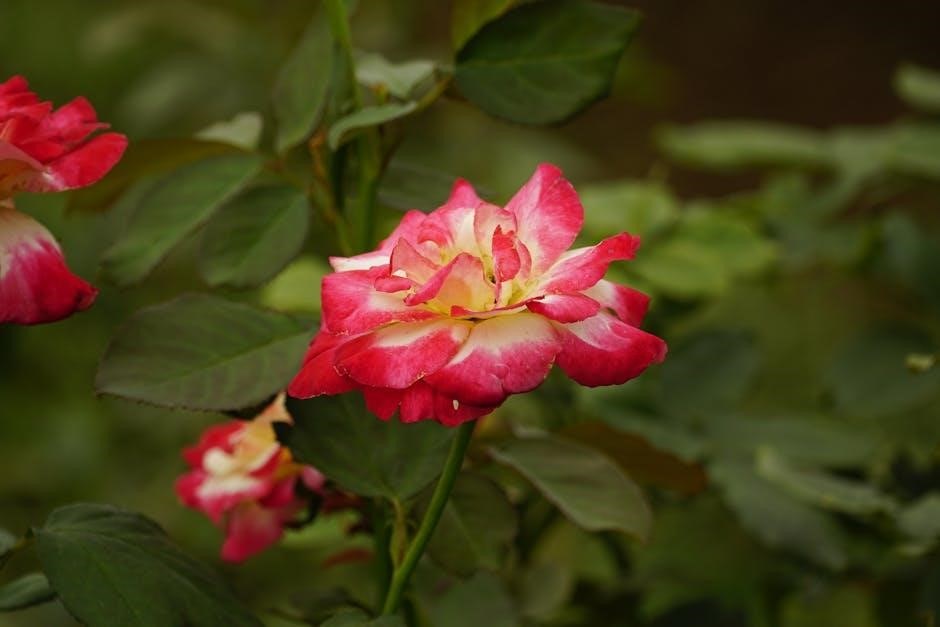
Roses‚ universally recognized as symbols of love‚ possess a surprisingly diverse range of meanings dictated by their color. Red roses traditionally embody passionate love and deep affection‚ making them a classic romantic gesture. White roses‚ conversely‚ represent purity‚ innocence‚ and new beginnings – often featured in weddings.
Yellow roses historically signified friendship and joy‚ though sometimes jealousy; modern interpretations lean towards cheerful platonic connections. Pink roses express gratitude‚ appreciation‚ and admiration‚ varying in intensity with the shade. A spectrum exists‚ with darker pinks conveying deeper gratitude. Understanding these nuances allows for precise emotional communication through this iconic flower.
Lilies: Wealth and Prosperity
Lilies‚ steeped in ancient symbolism‚ have long been associated with wealth‚ prosperity‚ and refinement. Across various cultures‚ these elegant blooms represent abundance and good fortune‚ often featured in celebrations of success. Their regal appearance contributes to this association‚ evoking a sense of luxury and status.
Historically‚ lilies were linked to goddesses and royalty‚ further solidifying their connection to power and prestige. Different lily varieties carry subtle variations in meaning; however‚ the overarching theme of prosperity remains consistent. Presenting lilies signifies wishing the recipient a life filled with abundance and positive energy‚ a timeless gesture of goodwill.
Lotus Flowers: Purity and Enlightenment
The lotus flower‚ originating in ancient civilizations‚ embodies purity‚ spiritual awakening‚ and rebirth. Remarkably‚ it thrives in muddy waters‚ symbolizing the ability to rise above adversity and achieve enlightenment. This juxtaposition of beauty and challenging origins makes the lotus a powerful emblem of hope and resilience.
Deeply rooted in Eastern philosophies‚ particularly Buddhism and Hinduism‚ the lotus represents the journey from darkness to light. Each stage of its bloom signifies spiritual growth‚ ultimately achieving full potential. Gifting a lotus conveys wishes for inner peace‚ clarity‚ and a path towards self-discovery.
Chrysanthemums: Longevity and Joy
Chrysanthemums‚ derived from the Greek words meaning “golden flower‚” are celebrated across cultures for representing longevity‚ joy‚ and optimism. Historically significant in East Asia‚ particularly China‚ they symbolize a long and happy life‚ making them traditional gifts for elders and during celebrations of age.
Beyond longevity‚ chrysanthemums also convey feelings of cheerfulness and well-being. Their diverse range of colors further enhances their symbolic depth; red signifies love‚ white represents purity‚ and yellow embodies slighted love. These versatile blooms are a beautiful expression of positive emotions and enduring happiness.
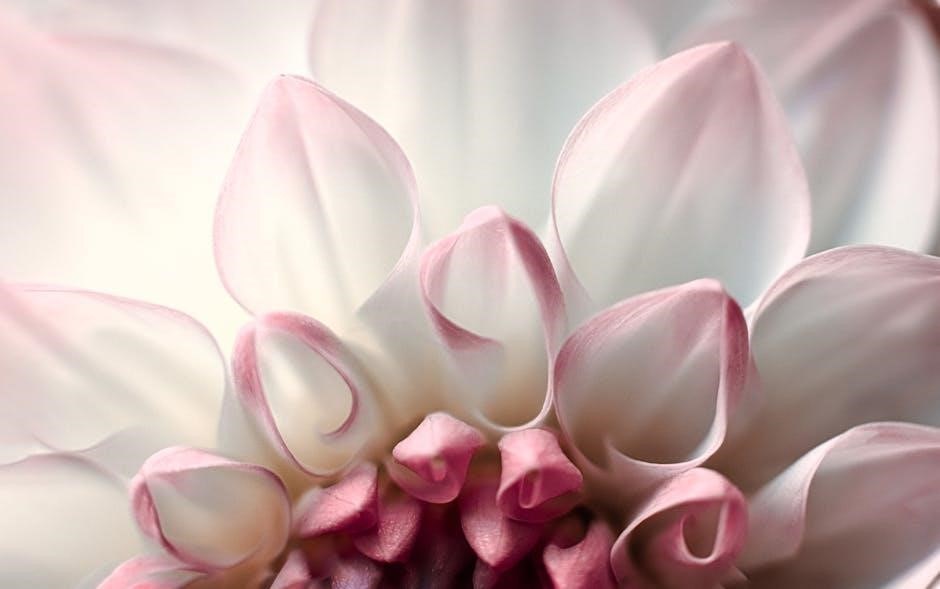
Using Color in Floral Arrangements
Craft bouquets with intention! Understanding flower color meanings allows you to create arrangements that eloquently express specific emotions and sentiments to the recipient.
Creating Meaningful Bouquets
Thoughtfully combining colors elevates floral design beyond aesthetics. Consider the message you wish to convey; red signifies passionate love‚ while yellow embodies cheerful friendship. White flowers represent purity and innocence‚ making them ideal for weddings or sympathy arrangements.
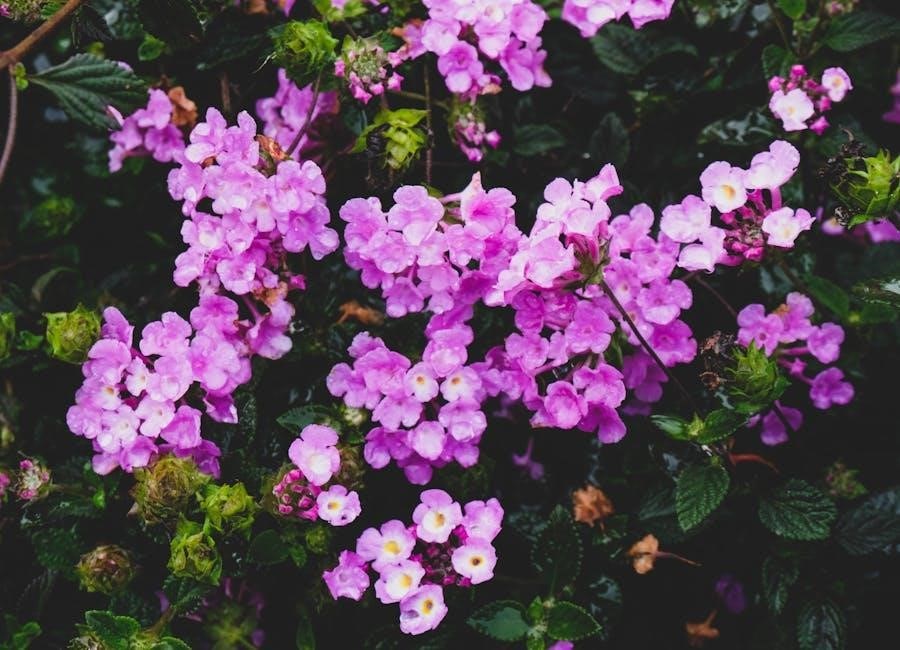
Purple hues suggest royalty and admiration‚ while orange radiates enthusiasm and energy. Pink expresses gratitude and appreciation‚ offering a gentle sentiment. Don’t overlook less common colors – blue conveys trust and rarity‚ green symbolizes renewal‚ and even black can represent sophisticated mystery.
By intentionally selecting blooms based on their color symbolism‚ you transform a simple bouquet into a deeply personal and resonant gift.