RM43 Total Vegetation Control: A Comprehensive Guide
RM43 Total Vegetation Control is a potent herbicide blend, demanding careful application for effective weed and plant management; always consult the Safety Data Sheet (SDS) first․
RM43 Total Vegetation Control represents a robust solution for comprehensive vegetation management, combining glyphosate with a weed preventer for both immediate control and residual effects․ This product, identified as PF-100755, is designed for a broad spectrum of applications, targeting unwanted plants in various settings․
Understanding RM43 requires acknowledging its potent nature – it’s classified as a “DANGER” product, necessitating strict adherence to safety protocols outlined in the Safety Data Sheet (SDS)․ The formulation includes surfactants to enhance herbicide uptake, maximizing effectiveness․
Users must prioritize safety, utilizing appropriate Personal Protective Equipment (PPE) such as goggles, face shields, or safety glasses during handling and application․ Effective use hinges on careful consideration of target plants, proper mixing, and awareness of environmental hazards, particularly concerning potential drift and runoff impacting non-target vegetation․
What is RM43 Total Vegetation Control?
RM43 Total Vegetation Control is a pre-mixed herbicide solution formulated to provide both post-emergent control of existing vegetation and pre-emergent prevention of new growth․ It’s a combination product, featuring glyphosate alongside a weed preventer, offering a dual-action approach to vegetation management․ The product description identifies it as a total vegetation control agent, suitable for industrial, non-crop, and rights-of-way applications․
This formulation aims to eliminate a wide range of annual and perennial weeds, grasses, and broadleaf plants․ Its effectiveness stems from glyphosate’s systemic action, disrupting plant processes, coupled with the preventative properties of the added weed control agent․
Crucially, RM43 is categorized as a dangerous substance, demanding strict adherence to the guidelines detailed within the accompanying Safety Data Sheet (SDS)․ Users must understand its potential hazards to both human health and the environment before application․
Key Ingredients and Their Functions
RM43 Total Vegetation Control’s efficacy relies on a carefully balanced combination of active ingredients․ Primarily, it contains glyphosate, a non-selective systemic herbicide․ Glyphosate functions by inhibiting an enzyme essential for plant growth, leading to desiccation and eventual death․ The “43” designation likely refers to the concentration of glyphosate within the formulation․
Beyond glyphosate, RM43 incorporates a weed preventer, contributing to its pre-emergent control capabilities․ While the specific chemical composition of this preventer isn’t always explicitly stated, it works by disrupting seed germination or early seedling development․ A surfactant is also included to enhance the herbicide’s spreading and penetration into plant tissues․
Understanding these components is vital for safe and effective use․ Always refer to the Safety Data Sheet (SDS) for a complete list of ingredients and their associated hazards, ensuring proper handling and application procedures are followed․
Safety Precautions & Handling
RM43 demands strict adherence to safety protocols; wear appropriate Personal Protective Equipment (PPE), including goggles and protective clothing, and always consult the SDS․
Understanding the Safety Data Sheet (SDS)
The Safety Data Sheet (SDS) for RM43 Total Vegetation Control is a crucial document providing comprehensive safety information․ It details the product’s hazards, including potential health effects from inhalation, skin contact, eye contact, and ingestion․ RM43 is categorized as ‘Danger’ and ‘Pelgro’, emphasizing the need for caution․
The SDS outlines necessary Personal Protective Equipment (PPE), such as protective eyewear (goggles, face shield, or safety glasses) and appropriate clothing․ It also provides detailed First Aid Measures, instructing users to seek immediate medical attention or contact a poison control center in case of exposure․
Furthermore, the SDS covers environmental hazards, noting RM43’s toxicity to plants and the potential risks associated with drift and runoff․ Understanding the SDS is paramount for safe handling, application, and emergency response when working with RM43 Total Vegetation Control․
Personal Protective Equipment (PPE) Requirements
When handling RM43 Total Vegetation Control, strict adherence to Personal Protective Equipment (PPE) requirements is essential for user safety․ The SDS mandates protective eyewear – goggles, a face shield, or safety glasses – to prevent eye contact with the herbicide․ This is a primary defense against potential irritation or damage․
Furthermore, wearing chemically resistant gloves is crucial to avoid skin contact, minimizing the risk of dermal absorption and associated health effects․ Long-sleeved shirts and long pants are also recommended to provide additional skin protection during application and handling․
In situations where spray mist or vapor is present, a respirator approved for herbicide application should be utilized to prevent inhalation․ Always ensure PPE is in good condition, properly fitted, and cleaned after each use․ Prioritizing PPE safeguards your health when working with RM43․
First Aid Measures: Inhalation, Skin Contact, Eye Contact, Ingestion
RM43 Total Vegetation Control requires immediate first aid attention in case of exposure․ If Inhaled, move the person to fresh air and seek medical advice if breathing difficulties persist․ For Skin Contact, immediately wash the affected area with soap and water, removing contaminated clothing beforehand; consult a physician if irritation develops․
In case of Eye Contact, flush eyes thoroughly with water for at least 15 minutes, lifting upper and lower eyelids occasionally․ Prompt medical attention is vital to prevent potential damage․ If Ingestion occurs, do not induce vomiting unless directed by a poison control center or doctor․
Immediately call a poison control center or physician for treatment advice․ Have the product container or label available when seeking medical help to provide accurate information regarding the exposure․ Quick action is paramount in mitigating the effects of RM43 exposure․
Environmental Hazards & Precautions
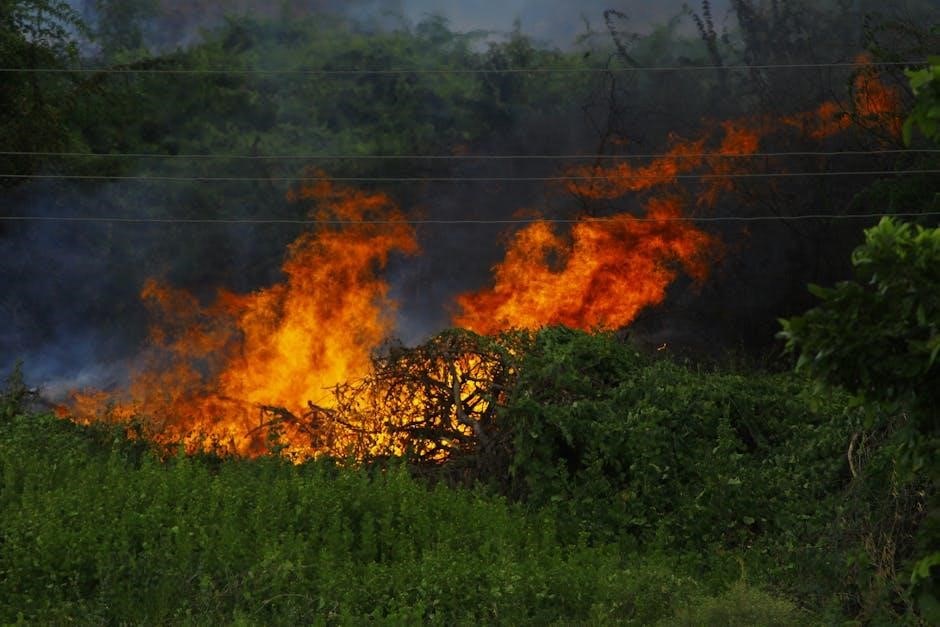
RM43 Total Vegetation Control presents significant environmental hazards, demanding stringent precautions․ This product is demonstrably toxic to plants, and utmost care must be taken to prevent drift and runoff․ These occurrences can be hazardous to non-target vegetation in adjacent areas and waterways․
Avoid application when weather conditions favor drift – consider wind speed and direction carefully․ Do not contaminate water sources during mixing, loading, or cleaning of equipment․ Implement measures to prevent point source pollution, such as using contained rinse water․
Proper disposal of excess product and its container is crucial; follow all local, state, and federal regulations․ Avoid direct application to bodies of water․ Responsible handling minimizes the ecological impact of RM43, protecting both the environment and non-target organisms․
Application Instructions
Effective RM43 application requires precise mixing and adherence to dilution rates, targeting specific plants and areas while considering optimal timing and prevailing weather conditions․
Target Plants & Areas of Use
RM43 Total Vegetation Control is a non-selective herbicide, meaning it effectively controls a broad spectrum of plants, including annual and perennial grasses, broadleaf weeds, brush, and woody plants․ This makes it suitable for various applications where complete vegetation control is desired․
Common areas of use include industrial sites, rights-of-way (roadsides, railways, utility lines), non-crop areas, fence lines, and barren ground․ It’s frequently employed for pre-emergent weed control, preventing new growth, and for total vegetation kill in established areas․ However, exercise extreme caution to avoid contact with desirable vegetation, as RM43 will damage or kill any plant it touches․
Specifically, it’s used to manage unwanted vegetation around buildings, storage yards, and along driveways․ It’s also effective in preparing sites for construction or landscaping projects․ Always review the product label for a comprehensive list of controlled plants and approved use sites, ensuring compliance with local regulations․
Mixing Instructions & Dilution Rates
Proper mixing is crucial for RM43 Total Vegetation Control’s effectiveness․ Always consult the product label for precise dilution rates, as they vary depending on the target plants and application method․ Generally, RM43 is mixed with water, and a surfactant may be added to enhance coverage and penetration․
Begin by filling the spray tank with the required amount of water․ Then, add the specified amount of RM43, ensuring complete dissolution․ Thorough agitation is essential – continuously stir the mixture while adding the herbicide and during application to maintain a uniform solution․

Typical dilution rates range from 1 to 5 quarts per acre, but again, the label dictates the exact amount․ Never mix more RM43 than recommended, as this can lead to increased phytotoxicity or product waste; Use clean equipment and avoid contamination with other pesticides or fertilizers․ Always add water before the herbicide․
Application Methods (Spraying, etc․)
RM43 Total Vegetation Control is primarily applied via foliar spraying, ensuring thorough coverage of target plants․ Several application methods are suitable, including boom sprayers, backpack sprayers, and handheld sprayers, chosen based on the treatment area’s size and accessibility․
For broadacre applications, boom sprayers offer efficiency, while backpack sprayers are ideal for smaller, hard-to-reach areas․ When spraying, maintain consistent pressure and nozzle height for uniform distribution․ Avoid drift by using low-drift nozzles and spraying during calm weather conditions․
Spot treatments can be effectively executed with handheld sprayers, directly targeting individual weeds․ Wick or wiper applications are also possible for selective control, minimizing contact with desirable vegetation․ Regardless of the method, ensure complete coverage of the foliage for optimal results․ Always follow label instructions regarding spray volume and droplet size․
Optimal Application Timing & Weather Conditions
The most effective time to apply RM43 Total Vegetation Control is when plants are actively growing and have sufficient leaf area for herbicide absorption․ Generally, spring and fall offer optimal conditions, but timing depends on the specific target species․
Avoid application when rainfall is expected within six hours, as rain can wash away the herbicide, reducing its efficacy․ Temperatures between 60°F and 85°F (15°C and 29°C) are ideal; avoid application during extreme heat or cold․
Calm wind conditions – less than 10 mph – are crucial to minimize drift onto non-target areas․ High humidity can also enhance herbicide absorption․ Avoid spraying during windy periods or when temperature inversions are present․ Monitor the forecast closely and adjust application timing accordingly to maximize control and minimize environmental impact․
Post-Application Considerations
Following RM43 application, adhere to re-entry intervals specified on the label and SDS; manage regrowth and properly store/dispose of any remaining product․

Re-entry Intervals & Restrictions
RM43 Total Vegetation Control requires strict adherence to re-entry intervals (REI) to ensure applicator and worker safety․ The specific REI duration is clearly outlined on the product label and within the Safety Data Sheet (SDS), and it’s crucial to consult these documents before, during, and after application․
Generally, treated areas are restricted from entry by applicators and other workers until the spray solution has completely dried․ However, this can vary based on application method and environmental conditions․ Always prioritize safety and avoid unnecessary exposure․
Restrictions also apply to activities like irrigation and livestock grazing․ The label will detail how long to wait before irrigating treated areas or allowing animals to graze․ Failure to comply with these restrictions can result in potential health hazards and legal repercussions․ Thoroughly review and understand all label instructions regarding re-entry and restricted-entry intervals․

Proper signage should be posted in treated areas to clearly indicate the REI and any other relevant restrictions․
Vegetation Management After Application
Following RM43 Total Vegetation Control application, ongoing vegetation management is key to preventing regrowth and maintaining desired control․ Monitor treated areas regularly for any surviving plants or new growth, particularly perennial weeds which may require follow-up treatments․
Consider implementing integrated vegetation management (IVM) strategies, combining herbicide applications with other methods like mechanical removal or cultural practices․ This approach minimizes reliance on herbicides and promotes long-term sustainability․
Be mindful of non-target plants and avoid drift onto desirable vegetation․ If drift occurs, assess the damage and implement corrective measures․ Proper disposal of any removed vegetation is also essential to prevent the spread of weeds․
Regular scouting and early intervention are crucial for effective vegetation control․ Document application dates, rates, and observed results to inform future management decisions․ Always refer to the product label for specific recommendations regarding post-application management․
Storage and Disposal Guidelines
Proper storage of RM43 Total Vegetation Control is crucial for maintaining product integrity and safety․ Store the container in a cool, dry, well-ventilated area, securely closed and away from direct sunlight, heat sources, and incompatible materials like strong bases․
Keep this product out of reach of children and animals․ Never store herbicides alongside food, feed, or drinking water․ Regularly inspect containers for leaks or damage, and promptly address any issues․
For disposal, do not reuse the container․ Triple rinse the container and offer it for recycling if available, or dispose of it in accordance with local, state, and federal regulations․ Never pour unused herbicide down the drain or into the environment․
Consult the Safety Data Sheet (SDS) and local authorities for specific disposal instructions․ Responsible storage and disposal practices protect both human health and the environment․

Potential Issues & Troubleshooting
RM43 application challenges may include herbicide resistance, drift, or runoff; always review the Safety Data Sheet and ensure product compatibility for optimal results․
Herbicide Resistance Management
RM43, containing glyphosate, faces increasing concerns regarding herbicide-resistant weeds․ To proactively manage this, implement integrated vegetation management (IVM) strategies․ Rotate RM43 with herbicides possessing different modes of action – crucial for preventing weed populations from developing resistance․
Avoid repeated use of glyphosate alone; diversify control methods․ Utilize cultural practices like mowing or hand weeding to supplement chemical control․ Scout fields regularly to identify and address resistant weed populations early․ Consider tank-mixing RM43 with other effective herbicides, following label instructions carefully․
Proper application is vital; ensure thorough coverage and appropriate dosage rates as outlined in the Safety Data Sheet․ Monitor treated areas for any signs of reduced efficacy, indicating potential resistance development․ Reporting suspected resistance to local agricultural authorities aids in tracking and managing this growing issue․
Dealing with Drift & Runoff
RM43 Total Vegetation Control, like all herbicides, presents risks of drift and runoff, potentially harming non-target plants and contaminating water sources․ Minimize drift by applying the product during calm weather conditions – wind speeds below 10 mph are recommended․ Utilize low-drift nozzles specifically designed to reduce fine spray particles․
Maintain appropriate spray pressure and boom height as specified in the application instructions․ Avoid spraying near sensitive areas, including bodies of water, gardens, and ornamental plants․ To mitigate runoff, avoid application before heavy rainfall events․
Consider using buffer zones around water bodies and sensitive vegetation․ Implement erosion control measures on sloped terrain․ Always consult the Safety Data Sheet for detailed environmental hazard information and precautions․ Proper handling and application techniques are crucial for responsible herbicide use․
Compatibility with Other Products
When considering tank mixing RM43 Total Vegetation Control with other agricultural products – herbicides, insecticides, or fertilizers – compatibility testing is absolutely essential․ Incompatible combinations can lead to reduced efficacy, physical incompatibility (precipitation, sludge formation), or even damage to application equipment․
Before mixing large volumes, conduct a jar test, adding all intended products in the correct proportions to a small container․ Observe for any signs of incompatibility, such as settling, cloudiness, or heat generation․
Always consult product labels for specific compatibility statements․ Generally, avoid mixing RM43 with strongly acidic or alkaline substances․ If compatibility is uncertain, apply products separately, allowing sufficient drying time between applications․ Refer to the Safety Data Sheet for further guidance and potential interactions․